• Kelly Ashton Todd
    • Press
    • Resume/CV
    • Teaching
    • Performance & Exhibitions
    • Under Review Series
    • What People are Saying
    • Media
    • Resume
    • Gallery
    • Classes
    • Retreats
    • Privates
    • About Environmental Blog
    • Nature Connection
    • Environmental Art
    • Zero Waste
  • Contact
  • DONATE
Menu

KELLY ASHTON TODD

Street Address
City, State, Zip
Phone Number
| ART | ENVIRONMENTALISM |

Your Custom Text Here

KELLY ASHTON TODD

  • About
    • Kelly Ashton Todd
    • Press
    • Resume/CV
    • Teaching
  • Works
    • Performance & Exhibitions
    • Under Review Series
    • What People are Saying
  • Acting
    • Media
    • Resume
    • Gallery
  • Yoga
    • Classes
    • Retreats
    • Privates
  • Written Words
    • About Environmental Blog
    • Nature Connection
    • Environmental Art
    • Zero Waste
  • Contact
  • DONATE

Native Plants

August 8, 2021 Kelly Todd
Photo by: Effy Grey

Photo by: Effy Grey

native wildlife

Recently I was swept away by the HBO show Full Bloom; the lavish colors and the astonishing flower installations these artists created - wow. However, I was left wondering ‘where do all these flowers come from?’, ‘what is this green stuff used to set the flowers made out of?’, and ‘why aren’t they using native plants?’.

For the new reiteration of nest, or more formally known as nest, act II, I have become deeply interested in the environmental benefits of native plants and wildlife.

Native plants provide essential, nourishing food for bird and insect species threatened by the changing climate. Native plants adapt alongside the local precipitation and soil conditions; thus, they do not need artificial fertilizers or pesticides. The native plants and wildlife intertwine with the soil, both helping to create healthy conditions and more natural nutrients. By growing and supporting a native plant garden, you create part of a joint effort to repair and sustain the living landscape for wildlife.
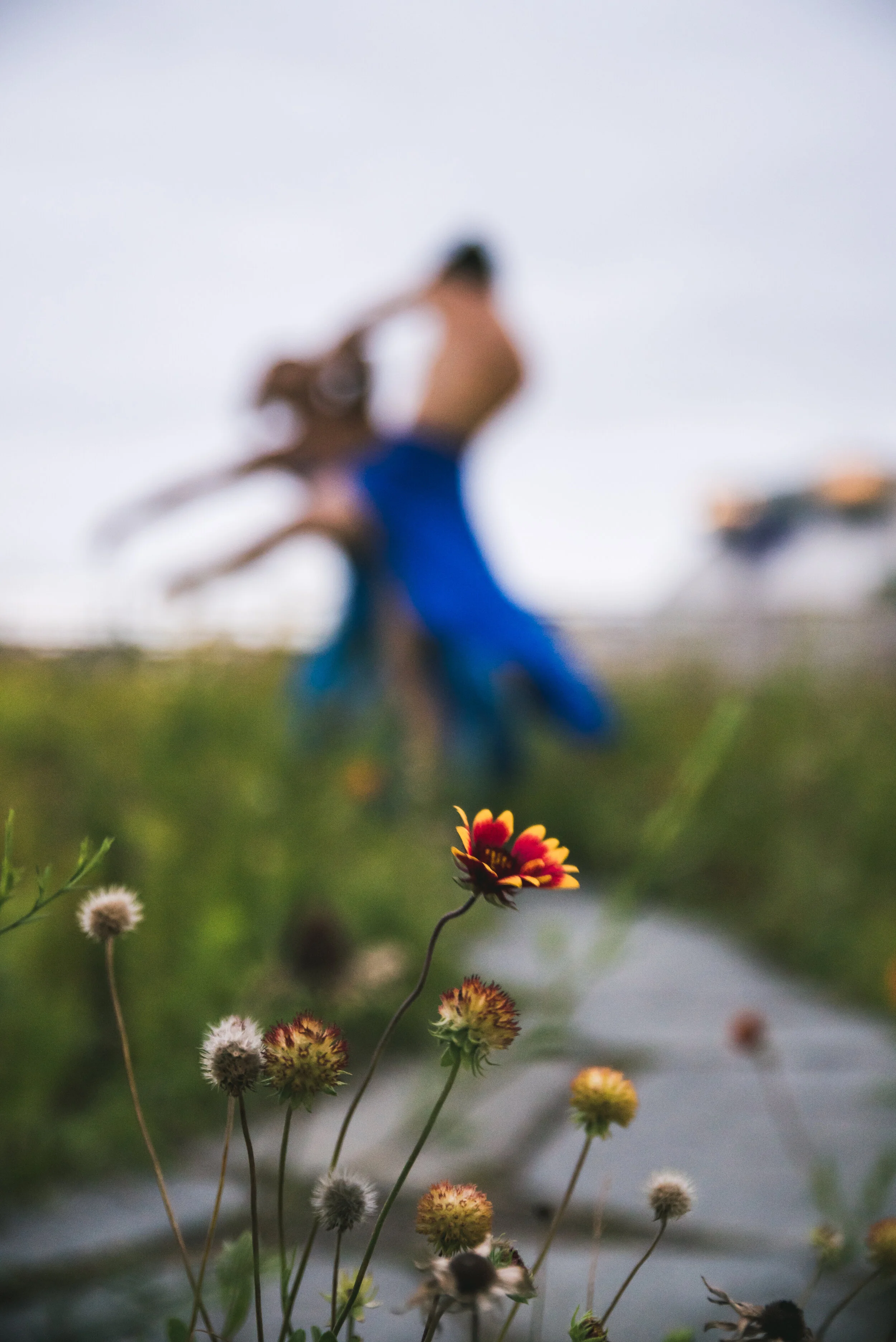
Photo by: Effy Grey

Photo by: Effy Grey

Your actions could help bird populations across the country adapt and flourish now and in the future.

Without the native plants, local birds cannot survive. For example, research by the entomologist Doug Tallamy has shown that native oak trees support over 500 species of caterpillars whereas ginkgos, a commonly planted landscape tree in New York, but originally from Asia, host only 5 species of caterpillars. These insects are vital to the existence of native birds. “When it takes over 6,000 caterpillars to raise one brood of chickadees, that is a significant difference” (Audubon).

We are currently living in a time where most of the landscaping plants available in nurseries are non-native species from other countries. These non-native plants disconnect the food web and most become invasive pest, meaning they are outcompeting native species and degrading habitat in remaining natural areas.

Audubon developed an amazing database for you to discover the native plants in your area and which types of birds they’ll attract. All you need is your zipcode! Click here to find out more.

In Nature Connection, Environmental Art Tags native plants, nest, native wildlife, biodiversity, urban wildlife
← What Is Creative Accountability And Why Do More Directors Need It?Conservation →
Summary Block
This block is invalid. Please check the block settings and try again.
Featured
Aenean eu leo Quam
Aenean eu leo Quam

Quisque iaculis facilisis lacinia. Mauris euismod pellentesque tellus sit amet mollis.

Read more →

Create to Protect Newsletter

Join the community of environmentalists and artists by receiving newsletters full of inspiration.

By joining you will also be the first to know about upcoming films, performances, auditions, and workshops.

no spam… just the environment

Thank you for signing up. You will be receiving an email right now asking you to verify your information. This helps protect your privacy. Please check your spam if you did not receive this.

Looking forward to being on this journey with you.

xx

kelly